
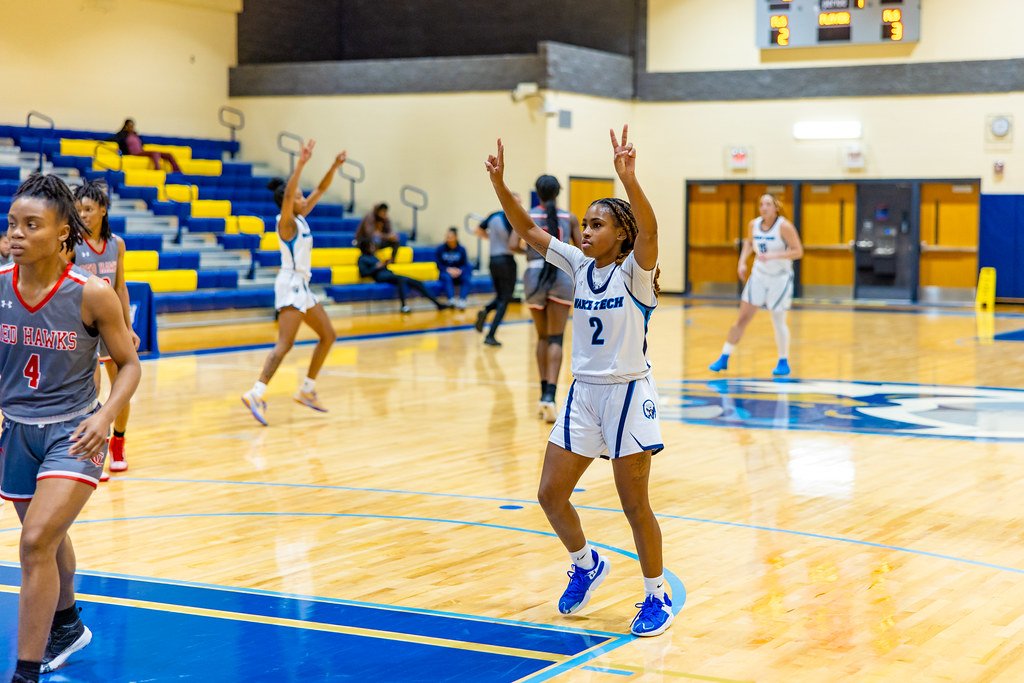
Pickup basketball has always been about showing up. You grab your shoes, find a court, and hope enough players are there to start a run. In the past, that process was unpredictable. You might call a friend or drive to a few different gyms before finding any action. That older method worked, but it wasted time and energy. Mobile technology has changed that approach by turning basketball discovery into something more reliable. Apps have moved beyond simple maps and become complete social tools that connect players in ways that were not possible before.
The First Generation of Basketball Apps
The earliest basketball apps were basic. They showed courts on a map and gave players a general idea of where to go. That was helpful, but it only solved part of the problem. A player could find a court, but they had no way of knowing if anyone was actually playing there. This created a frustrating experience. You would arrive at a location, see an empty court, and realize you had wasted your trip. These early tools were a good starting point, but they left players asking the same old question about how to find a pickup basketball game near me without any real-time answers. The technology existed, but it was not complete enough to replace the old phone call method.
Why Basic Court Finders Were Not Enough
The main issue with early court finders was the lack of human information. A court is just a court until people show up to play. Players needed to know who was coming, what time they were arriving, and whether the run was competitive or casual. Without that layer of detail, the apps felt hollow. Players would still rely on word of mouth and personal networks to actually organize games. The potential was clear, but the execution was missing a key ingredient. That missing ingredient was the social connection that makes pickup basketball enjoyable in the first place.
Building the Social Layer for Basketball Players
Developers eventually realized that basketball apps needed to focus on people, not just places. The next generation of platforms introduced user profiles, friend lists, and activity feeds. Players could finally see who was planning to play on a given evening. This social layer made the entire process more reliable. Instead of guessing, a player could check the app and see real interest from other local players. This shift made it much easier to answer practical questions like how to find local pickup basketball games without endless phone calls. The apps became more useful because they reflected the actual community rather than just a list of physical locations.
How Real-Time Activity Changed Pickup Basketball
The biggest improvement came when apps started showing real-time activity. Players could now see if a court was busy, how many people were there, and whether a game was already in progress. This feature saved players from showing up to empty gyms. For example, someone looking for pickup basketball in Los Angeles could check current activity and decide exactly where to go. The same applies to players searching for pickup basketball in NYC, where court availability changes quickly throughout the day. Real-time data gave players confidence that their time would not be wasted. It also helped spread players across different locations, reducing crowding at popular spots. This feature became the standard for modern basketball platforms.
The Rise of League Features in Basketball Apps
As apps matured, they began to serve players who wanted more structure. Casual pickup runs are great, but many players enjoy the consistency of organized leagues. Modern platforms now include tools for scheduling games, tracking standings, and communicating with teammates. This league functionality has expanded the audience for basketball apps. Players who prefer competitive play can now find LA basketball leagues that fit their schedule and skill level. The same goes for players searching for NYC basketball leagues or basketball leagues in Miami. These league features represent a clear evolution from the simple court finders of the past. They show that apps can support both casual and competitive players within the same platform.
What Players Look for in a Modern Platform
Today, players expect more from a basketball app than just a map. They want to know who is playing, what the skill level is, and whether the environment is welcoming. They also want to find information about local gyms, open gym hours, and upcoming events. For many players, the ideal platform combines all of these elements into one easy-to-use tool. That is why many hoopers now turn to Fullcourt for their basketball needs. The Fullcourt app provides a complete picture of the local basketball scene. The Fullcourt basketball app is designed to help players discover opportunities and connect with others in their area. Players who want a straightforward way to find pickup basketball games on Fullcourt appreciate having everything in one place.
For players who prefer using a browser, fullcourt.io offers the same useful features. Whether you are searching for pickup basketball in San Francisco or anywhere in the Bay Area, having access to a dedicated basketball platform makes the process much smoother.
New users can download Fullcourt and start exploring their local options right away.
How Apps Are Connecting Players Across Different Cities
Basketball culture varies from city to city. Game times, court availability, and playing styles can change depending on where you are. Mobile apps help players navigate these differences. Someone who moves to a new city can use an app to learn the local basketball scene without asking around for weeks. For instance, a player researching pickup basketball in Miami can quickly see which courts are active and what the typical turnout looks like. Another player might search for pickup basketball in LA or pickup basketball in New York to compare options. Location-specific information makes a general search much more useful. It helps players feel comfortable and prepared before they even step onto a court.
The platform is also available for iPhone users through Fullcourt on the App Store.
What Technology Cannot Replace in Basketball?
Despite all the improvements, technology cannot replace the human side of the game. Players still need to communicate, respect each other, and create a positive environment on the court. Apps can provide information, but they cannot guarantee that a particular game will happen exactly as planned. Weather, injuries, and last-minute schedule changes can affect any pickup run. Mobile tools should be treated as helpful resources rather than guarantees. Players can use apps to make better decisions, but they should always stay flexible and ready to adapt when they arrive at the court.
The Next Step for Basketball Applications
The future of basketball apps will likely involve even better information about courts, games, and player availability. Some platforms are exploring video features, performance tracking, and smarter matching systems that connect players with similar skill levels. These improvements will make it even easier for players to find consistent runs and build regular playing groups. The overall goal is to lower the barriers to participation. Anyone with a phone and a desire to play should be able to find a game without jumping through hoops. Technology will continue to evolve, but the core purpose remains the same, which is to bring basketball players together.
Conclusion
Basketball apps have come a long way from basic court finders. They have evolved into social platforms that connect players, organize leagues, and provide real-time activity updates. This evolution has made pickup basketball more accessible and more enjoyable for players of all levels. The old method of calling friends and guessing which court was busy has been replaced by reliable digital tools. While technology cannot replace the human experience of playing basketball, it can make that experience much easier to discover. The game remains the same, but the way players find it has changed for the better.


Leave a Reply