
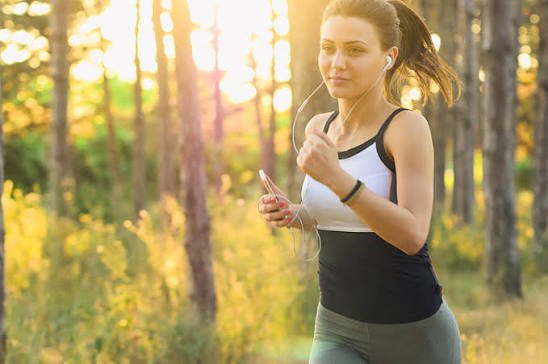
Fitness tracking used to mean buying a dedicated watch, chest strap or GPS device. Today, most people already carry a surprisingly capable fitness tracker in their pocket.
Modern smartphones come equipped with GPS, motion sensors and powerful apps that can record outdoor activities, measure distance and pace, map routes and help users keep track of their progress over time.
For runners, walkers and cyclists in particular, a smartphone can often provide everything needed for basic activity tracking without requiring any extra equipment.
Why Smartphones Work So Well for Fitness Tracking
A smartphone combines several technologies in one device.
GPS can track where you are moving, while built-in sensors detect motion and changes in direction. Fitness apps then turn this raw information into useful data such as distance, speed, pace, and workout duration.
This means the same phone you use for calls, navigation and music can also record a morning run or weekend bike ride.
For casual users, this can be much more convenient than investing in a separate fitness device.
How GPS Tracks Running, Walking and Cycling
GPS is one of the most useful features for outdoor fitness tracking.
When you start an activity, a GPS-enabled app records your location at different points along the route. It then uses those points to calculate how far you travelled and where you went.
This can be useful for activities such as:
- Running
- Walking
- Cycling
- Hiking
- Outdoor training
Once the activity is complete, many apps can show the route on a map alongside statistics such as total distance, average pace, and workout time.
For anyone trying to become more consistent with exercise, this makes it much easier to compare one session with another.
What Can You Track With a Smartphone?
The amount of information available depends on the app you use, but most fitness tracking apps cover the basics.
Distance
GPS data can estimate how far you have travelled during an outdoor activity.
For runners and walkers, this makes it easy to track common goals such as 3 km, 5 km, or 10 km sessions.
Pace and Speed
Pace is especially useful for runners because it shows how long it takes to complete a kilometre or mile.
Cyclists may be more interested in average and maximum speed.
Watching these numbers over time can help users understand whether their fitness or consistency is improving.
Workout Duration
Recording how long each session lasts provides another simple way to monitor progress.
Someone starting with a 20-minute walk, for example, may gradually build towards longer sessions without necessarily focusing on speed.
Routes
One of the biggest advantages of GPS fitness tracking is the ability to see exactly where an activity took place.
Saved routes can help users discover new running or cycling areas while also making it easier to repeat favourite routes later.
Fitness Apps Make Smartphone Data More Useful
The phone provides the hardware, but the app is what makes the data understandable.
A well-designed fitness app takes GPS and sensor information and presents it in a way that is easy to review after an activity.
For example, a GPS fitness tracking app such as Further Faster can be used to record activities including running, walking and cycling while keeping useful workout information together in one place.
Rather than simply knowing that you exercised, you can see how far you travelled, how long it took, and how your performance compares with previous sessions.
This type of tracking can make everyday exercise feel more structured without making it overly complicated.
Smartphone Tracking vs Fitness Watches
Dedicated fitness watches still have some advantages.
They are designed to stay on the wrist, may include heart-rate sensors, and can be more convenient during longer workouts. Some models also offer advanced training metrics that smartphones cannot provide on their own.
However, not everyone needs that level of detail.
For someone who mainly wants to track routes, distance, pace, and workout history, a smartphone may already be enough.
There are also practical benefits.
You are likely carrying your phone anyway, especially when listening to music, using navigation or staying reachable during an outdoor workout.
Using the same device for activity tracking can therefore reduce the need for additional gadgets.
How to Get More Accurate GPS Tracking
Smartphone GPS is useful, but a few simple habits can improve the quality of recorded activities.
Give the App Location Permission
Fitness apps need access to your location to record outdoor routes.
If location access is restricted, tracking may stop or become less accurate.
Wait for GPS Before Starting
Starting a workout immediately after opening an app can sometimes result in missing data at the beginning of the route.
Allowing a few moments for the phone to establish a GPS connection can help.
Keep Battery-Saving Settings in Mind
Aggressive battery optimisation can restrict apps running in the background.
If an activity keeps stopping unexpectedly, check whether your phone is limiting the fitness app’s background activity.
Carry the Phone Securely
Keeping a phone in a secure pocket, running belt or cycling mount helps protect it while also making tracking more convenient.
Use the Data to Build Better Habits
Fitness tracking is most useful when the numbers support a goal rather than becoming the goal themselves.
You do not necessarily need to break a personal record every time you go outside.
Instead, tracking can help answer simple questions.
Are you exercising more frequently than last month?
Are your walks gradually becoming longer?
Are you running the same route at a more comfortable pace?
Small changes like these can be easier to notice when activities are recorded consistently.
For beginners especially, seeing a history of completed workouts can provide a clear picture of progress.
You May Already Have the Fitness Tech You Need
Wearables and specialist fitness devices can be valuable, but they are no longer the only way to track outdoor exercise.
With GPS, motion sensors and the right app, a modern smartphone can record runs, walks and cycling sessions with very little setup.
For many people, that is more than enough to start tracking activity, understanding their performance and building a more consistent fitness routine.
Before buying another device, it may therefore be worth looking at the technology already sitting in your pocket.





Leave a Reply