
In today’s fast-moving business environment, speed, accuracy, and customer satisfaction play a major role in determining success. Whether you own a retail store, supermarket, restaurant, café, pharmacy, or boutique, managing daily operations efficiently is essential. From processing customer payments to tracking inventory and generating sales reports, businesses handle multiple tasks every day. Relying on separate systems for each function can lead to delays, errors, and unnecessary complexity.
This is where an All-in-One POS System becomes a valuable business solution. Instead of using different devices for billing, inventory management, customer records, and payment processing, an all-in-one POS system brings everything together in one integrated platform. It simplifies day-to-day operations, improves productivity, and helps businesses provide a faster and more professional customer experience. As digital transactions continue to grow, businesses of all sizes are adopting modern POS systems to stay efficient and competitive.
What Is an All-in-One POS System?
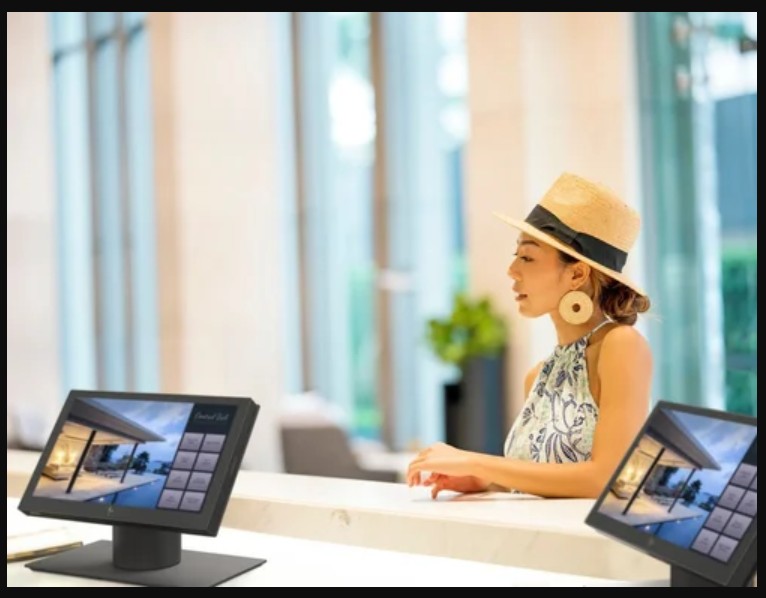
An All-in-One POS (Point of Sale) System is a complete business management solution that combines both hardware and software into a single device. Unlike traditional cash registers that are designed only to process payments, modern POS systems perform a wide range of business functions.
A typical all-in-one POS system may include a touchscreen display, barcode scanner, receipt printer, payment terminal, cash drawer, and POS software. These components work together to handle sales transactions, inventory updates, customer information, employee management, and business reporting from one centralized system.
This integrated approach reduces the need for multiple standalone devices, creating a cleaner and more organized workspace while making daily operations easier for employees.
Faster Checkout Improves Customer Experience
One of the biggest advantages of using an all-in-one POS system is its ability to speed up the checkout process. Customers today expect quick and hassle-free service, whether they are shopping in a retail store or ordering food at a restaurant. Long queues and slow billing can negatively affect customer satisfaction and even result in lost sales.
Modern POS systems allow employees to scan products, calculate taxes automatically, apply discounts instantly, and process multiple payment methods within seconds. Whether customers choose to pay using cash, credit cards, debit cards, mobile wallets, or contactless payments, the transaction can be completed efficiently.
A faster checkout experience not only improves customer satisfaction but also allows businesses to serve more customers during busy hours, increasing overall productivity.
Better Inventory Management
Managing inventory manually can be time-consuming and prone to errors. Stock shortages, overstocking, and incorrect inventory records often affect business performance and customer satisfaction.
An all-in-one POS system automatically updates inventory every time a sale is completed. This gives business owners real-time visibility into available stock, helping them monitor inventory levels more accurately. Managers can identify fast-selling products, monitor slow-moving items, and receive alerts when stock needs replenishment.
Accurate inventory tracking helps reduce waste, prevent stockouts, and improve purchasing decisions. Instead of relying on manual stock counts, businesses can use real-time inventory data to make informed decisions that improve operational efficiency.
Access Valuable Business Insights
Modern businesses rely on data to make smarter decisions, and an all-in-one POS system provides valuable insights through detailed reporting and analytics.
Every transaction is automatically recorded, allowing managers to generate reports on daily sales, monthly revenue, bestselling products, customer buying patterns, and employee performance. These reports help businesses understand what is working well and identify areas that require improvement.
For example, a retail store can discover which products sell the most during weekends, while a restaurant can identify its most popular menu items during lunch hours. This information supports better inventory planning, marketing strategies, and pricing decisions.
Instead of spending hours creating manual reports, business owners can access accurate data with just a few clicks.
Simplifies Employee Management
Managing employees becomes much easier with a modern POS system. Many solutions include user login features that allow managers to assign individual accounts to each employee.
This makes it possible to monitor sales handled by each staff member, track working hours, manage permissions, and reduce unauthorized access to sensitive business information. Managers can also identify training needs by reviewing employee performance reports.
Having better visibility into employee activities improves accountability while helping businesses maintain smoother daily operations.
Supports Multiple Payment Options
Customer payment preferences have changed significantly over the past few years. While cash payments are still common, digital payment methods continue to grow rapidly. Customers now expect businesses to accept debit cards, credit cards, QR code payments, mobile wallets, and contactless transactions.
An all-in-one POS system supports multiple payment methods from a single interface, making transactions convenient for both customers and staff. This flexibility improves the overall shopping experience while reducing payment-related delays.
Businesses that offer multiple payment options also appeal to a wider customer base, helping them stay competitive in today’s digital marketplace.
Improves Business Security
Security is an important consideration for every business, especially when handling customer payment information and financial records. Modern all-in-one POS systems include several security features that help protect sensitive business data.
These systems often support encrypted payment processing, secure user authentication, role-based access control, and regular software updates. Managers can limit employee permissions to ensure only authorized personnel have access to financial reports or administrative settings.
Automatic data backups and cloud integration also reduce the risk of losing important business information due to hardware failures or unexpected technical issues.
Saves Space and Reduces Clutter
Traditional billing setups often require several separate devices connected with multiple cables, occupying valuable counter space. This can make checkout counters look crowded and difficult to manage, particularly in smaller stores.
An all-in-one POS system combines multiple business functions into a single compact device. This reduces cable clutter, improves workspace organization, and creates a more professional appearance.
Businesses with limited counter space, such as cafés, pharmacies, convenience stores, and small retail outlets, especially benefit from this streamlined design.
Scales with Business Growth
As businesses grow, their operational needs become more complex. Opening additional branches, hiring more employees, expanding product lines, or increasing customer volume requires technology that can scale accordingly.
Modern all-in-one POS systems are designed to grow with the business. Many solutions support cloud connectivity, allowing owners to monitor multiple locations from a single dashboard. Sales data, inventory updates, and business reports can be synchronized across all branches in real time.
This scalability makes an all-in-one POS system a long-term investment rather than a short-term solution.
Suitable for Different Industries
One of the biggest strengths of an all-in-one POS system is its versatility. It is not limited to retail stores alone. Businesses across various industries use POS systems to improve operational efficiency.
Retail stores use them for faster billing and inventory tracking. Restaurants benefit from quick order processing and kitchen communication. Pharmacies manage medicine inventories more effectively, while supermarkets handle thousands of daily transactions with greater speed and accuracy. Hospitality businesses, salons, electronics stores, and specialty retailers also rely on POS systems to simplify their daily operations. Because different industries have unique requirements, many POS solutions offer customizable software that can be tailored to specific business needs.
Final Thoughts
An All-in-One POS System has become much more than a payment processing device. It serves as a complete business management solution that helps improve efficiency, reduce manual work, and enhance customer service. By combining billing, inventory management, reporting, payment processing, and employee management into a single platform, businesses can simplify operations while making better decisions based on accurate data.
As customer expectations continue to evolve and digital transactions become increasingly common, investing in a reliable POS system helps businesses stay organized and prepared for future growth. Whether operating a small retail shop or managing multiple business locations, an all-in-one POS system provides the tools needed to improve productivity, streamline daily operations, and deliver a smoother experience for both employees and customers.





Leave a Reply