
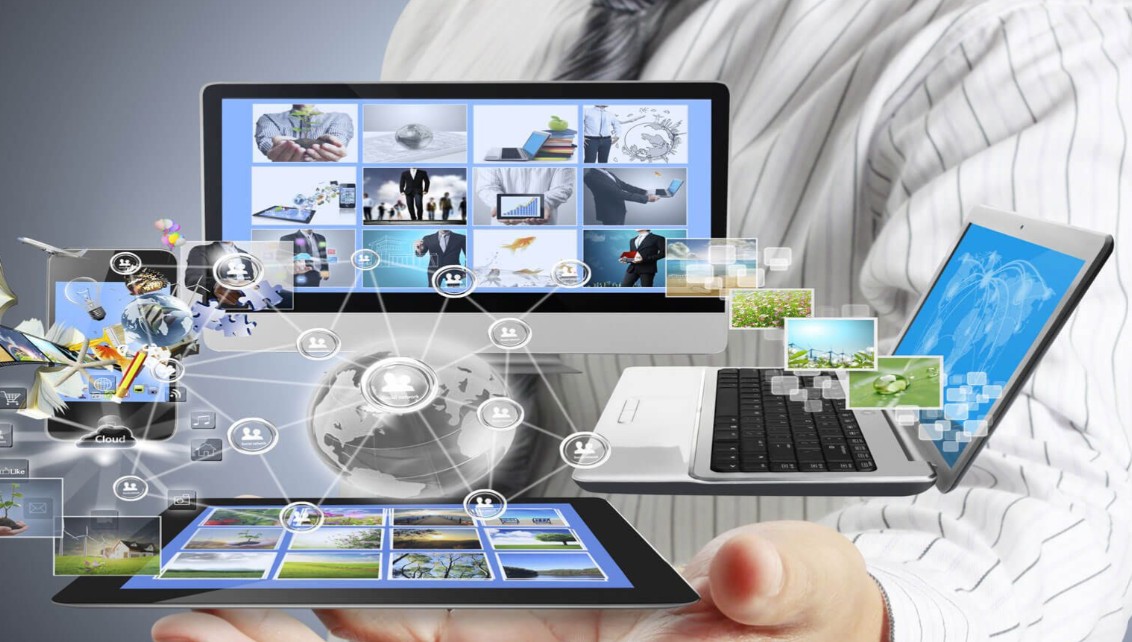
Events have always brought people together around a shared purpose. However, the way people experience events is changing quickly. Attendees no longer want to sit quietly and watch information unfold on a screen. They increasingly expect opportunities to participate, respond, explore, and connect.
That shift has placed digital interactivity at modern event design. Interactive screens, mobile applications, live polls, social walls, augmented reality, artificial intelligence, and immersive displays can change how people experience an event.
Recent research reflects this change. A 2025 academic review analysed 79 studies about technology-facilitated event engagement. It identified media technology, immersive technology, and smart consumer-assistive technology as three major areas shaping event experiences.
The change is not simply about adding more technology. Instead, it is about creating meaningful moments between people, content, and the event environment. When technology supports that connection naturally, an event can feel less like a presentation and more like an experience.
Why Event Experiences Are Changing
The traditional event model often followed a simple pattern. Speakers presented information, audiences listened, and organisers measured attendance afterward. That approach can still work, but modern audiences have more choices and higher expectations.
People interact with digital content throughout their daily lives. They tap, swipe, search, comment, vote, stream, and personalise their experiences constantly. Consequently, they can expect similar levels of participation when they attend an event.
For event organisers, this creates both an opportunity and a challenge. Simply placing a large screen behind a speaker may no longer create enough engagement. Instead, organisers need to think about what attendees can do with the technology.
Research from Forrester found that B2B event attendees are registering later while expecting more interactive and personalised experiences. Its 2025 survey also reported an 8% decline in overall event satisfaction compared with 2024.
This does not mean every event needs advanced technology. Rather, it shows the importance of designing experiences around audience needs. Technology should solve a genuine engagement problem instead of becoming decoration.
From Passive Audiences to Active Participants
Imagine attending a conference where the speaker asks a question. Instead of waiting for a few people to raise their hands, everyone can respond instantly through an event application.
The results appear on a large display within seconds. The speaker sees the audience response and adjusts the discussion accordingly. Suddenly, the audience becomes part of the conversation.
That simple interaction can change the atmosphere of a session. People have a reason to pay attention because their input can influence what happens next.
Interactive technology can also support quizzes, live questions, word clouds, competitions, feedback forms, and collaborative activities. These tools create small moments of participation throughout an event.
The principle is straightforward: people tend to engage differently when they have something to contribute. Digital interactivity provides the infrastructure for that contribution.
The Rise of Personalised Event Experiences
Personalisation has become another important part of event design. Attendees may have different interests, professional goals, preferred sessions, and networking objectives.
A digital event platform can help organise these experiences around individual needs. For example, an attendee might receive session recommendations based on selected interests.
The same principle can apply to networking. Digital tools can help attendees discover relevant people, exhibitors, speakers, or discussion groups.
According to Cvent’s collection of 2026 event statistics, event planners are prioritising more interactive programming, additional opportunities for social connection, and personalised experiences.
This approach makes an event feel less like a single programme delivered to everyone. Instead, attendees can navigate parts of the experience according to their interests.
What Digital Interactivity Means at Events
Digital interactivity covers a broad range of technologies and experiences. It can be as simple as a live voting system or as sophisticated as an immersive augmented reality installation.
The important factor is not technological complexity. The real question is whether the technology encourages meaningful interaction.
An interactive display, for example, can allow attendees to explore information instead of viewing a static presentation. Similarly, a digital kiosk can provide self-service access to schedules, maps, registration information, or product details.
Event apps can connect attendees before, during, and after an event. Digital signage can respond to schedules and provide timely information. Social walls can display selected audience posts and create shared moments.
These examples show that digital interactivity can operate throughout the entire event journey.
Interactive Screens and Digital Displays
Large interactive displays can transform the physical environment of an event. Instead of showing fixed content, they can invite attendees to explore information directly.
For example, an exhibition can use an interactive screen to present product information. Visitors can select categories, view videos, explore specifications, or compare options.
At a conference, interactive displays can show live questions or audience responses. At a museum or cultural event, they can help visitors explore historical information through visual storytelling.
Large digital displays can also create shared experiences. Several people can gather around a screen and interact with the same content.
The result is different from watching a conventional presentation. The audience has a role in determining what appears next.
Mobile Apps, Polls, and Live Feedback
Mobile devices have become natural tools for event participation. Most attendees already carry a smartphone, which makes mobile interaction relatively accessible.
Event applications can provide schedules, venue maps, speaker profiles, notifications, networking tools, and feedback options. Polling features can add another layer of participation.
A speaker can ask a question and display responses almost immediately. Organisers can also use feedback during sessions rather than waiting until the event ends.
This creates a useful feedback loop. The audience communicates with the organisers, and organisers can respond to those signals.
The best systems keep interaction simple. If attendees need multiple complicated steps, participation can quickly decline.
How Interactive Technology Improves Engagement
Engagement is not simply about keeping people busy. A successful interactive experience should support the purpose of the event.
A conference might use interaction to encourage discussion. An exhibition might use it to help visitors explore information. A festival might use it to create entertainment and social connection.
Digital tools can therefore support different forms of engagement. These include cognitive engagement, emotional engagement, social interaction, and physical participation.
The 2025 academic review of event technology specifically examined how technology affects cognitive, affective, and behavioural engagement across the event journey.
That distinction matters. An attendee can be physically present without being mentally engaged. Interactive experiences create opportunities to turn attendance into active participation.
Encouraging Audience Participation
Participation gives attendees a sense of involvement. Even a short interaction can make someone feel connected to the event.
Consider a live audience choosing between discussion topics. Their votes can determine which subject receives additional attention.
Now consider an exhibition where visitors complete an interactive challenge. They are not simply walking past displays. They are actively exploring the environment.
Gamification can also encourage participation through challenges, points, badges, leaderboards, and digital rewards. However, these features should support the event rather than distract from it.
The goal is not to make everything into a game. Instead, organisers should identify moments where participation can make the experience more useful or enjoyable.
Making Content More Memorable
People often remember experiences differently from information delivered through a conventional presentation.
When attendees answer a question, explore an interactive display, or participate in a demonstration, they create a personal connection with the content.
That interaction can give information context. Instead of hearing about a concept, an attendee might manipulate a digital model or make a decision based on real-time information.
Interactive storytelling can also make complex subjects easier to understand. Data, maps, timelines, and simulations can become more accessible when users control what they explore.
This approach is particularly useful for technical exhibitions and educational events. Instead of presenting every detail at once, organisers can let visitors discover information gradually.
Digital Interactivity Across Different Event Types
Different events have different objectives. Therefore, the right interactive technology depends heavily on the audience and setting.
A corporate conference may prioritise discussion and networking. A trade show may focus on product discovery. A cultural event may emphasise storytelling and immersion.
Digital interactivity can support each format without forcing every event into the same structure.
Conferences and Corporate Meetings
Corporate events increasingly use interactive tools to create two-way communication.
Live Q&A platforms can collect questions from large audiences. Polls can reveal opinions before a discussion begins. Digital networking tools can help attendees identify relevant connections.
Interactive presentations can also reduce the distance between speakers and audiences. Instead of delivering a fixed sequence of slides, presenters can respond to audience input.
Hybrid conferences add another layer. Remote participants need opportunities to contribute alongside people attending physically.
A well-designed digital platform can bring these groups together through shared questions, polls, chats, and content.
Trade Shows and Exhibitions
Trade shows create a unique challenge because attendees move through busy environments. Exhibitors need ways to capture attention without overwhelming visitors.
Interactive displays can provide an alternative to static posters. Visitors can explore products, applications, demonstrations, or technical information at their own pace.
Digital lead capture can also connect physical interactions with post-event follow-up. Information gathered during an interaction can help exhibitors understand visitor interests.
Research from Swapcard’s 2025 event engagement report found that 67% to 85% of lead generation came from digital interactions across the event datasets it analysed.
This highlights how digital engagement can extend beyond the physical booth. An interaction can become the starting point for a longer relationship.
Immersive Technology and Event Storytelling
Immersive technology is expanding the possibilities for event experiences. Augmented reality, virtual reality, mixed reality, projection mapping, and large-format digital environments can change how audiences encounter content.
Instead of displaying information on a flat surface, immersive experiences can place people inside a visual story.
For example, an exhibition could use augmented reality to reveal additional information through a smartphone or headset. A training event could use virtual reality to simulate a challenging environment.
Extended reality can also support demonstrations that would otherwise be difficult to recreate physically.
However, immersive technology should have a clear purpose. A spectacular visual effect may attract attention, but attention alone does not guarantee meaningful engagement.
The strongest applications connect immersion with storytelling, education, exploration, or participation.
AR, VR, and Extended Reality
AR and VR provide different forms of interaction.
Augmented reality adds digital information to the user’s physical surroundings. Virtual reality creates a digitally generated environment that users can explore.
Mixed and extended reality sit across a broader spectrum of physical and digital interaction.
These technologies can be useful when traditional displays cannot communicate an idea effectively. A visitor might explore a virtual building, examine a digital product model, or experience a simulated environment.
Research into audience engagement also suggests that interactive and immersive technologies are becoming significant areas of event experience design.
The key is to match the technology with the audience. Not everyone wants a headset or complicated interface. Sometimes a simple touchscreen can create a better experience.
The Role of Data and Artificial Intelligence
Data is becoming an important part of interactive event experiences. Every interaction can potentially provide information about attendee behaviour and preferences.
Event organisers can use data to understand which sessions attract attention, which content generates interaction, and which areas receive the most engagement.
Artificial intelligence can add another layer by helping analyse this information. AI can support recommendations, content personalisation, audience segmentation, and real-time assistance.
The academic review published in 2025 noted that event professionals were increasingly using event management software, AI, and mobile applications as part of engagement strategies.
AI can also support event content. For example, it can help organise large amounts of session information or generate personalised recommendations.
However, data collection must remain responsible. Attendees should understand how their information is collected and used.
Privacy, consent, security, and transparency should therefore remain part of event technology planning.
Designing Better Interactive Event Experiences
Technology should begin with the audience rather than the equipment.
Before choosing an interactive display, application, or immersive system, organisers should identify the desired outcome. Do attendees need better navigation? More networking opportunities? More participation? Better access to information?
Once the objective is clear, technology becomes easier to evaluate.
The experience should also remain intuitive. Attendees should understand what to do without requiring lengthy instructions.
Accessibility matters as well. Interactive experiences should consider people with different physical abilities, technical familiarity, languages, and communication preferences.
A successful experience often feels simple from the user’s perspective. Behind that simplicity, however, organisers may need careful planning across content, hardware, software, connectivity, and support.
Challenges of Digital Interactivity
Digital interactivity introduces new opportunities, but it also creates new responsibilities.
Technology can fail. Networks can become overloaded. Software can behave unexpectedly. Displays can experience technical problems.
Therefore, event organisers need contingency plans. Important information should have alternative delivery methods when necessary.
Another challenge involves audience adoption. Not every attendee will automatically use an interactive feature.
Poorly designed interfaces can discourage participation. Too many notifications can become irritating. Excessive gamification can make an event feel artificial.
Cost can also influence decisions. Advanced immersive technology may require specialist equipment, content development, technical staff, and testing.
The solution is not necessarily to use less technology. Instead, organisers should focus investment on interactions that genuinely improve the experience.
Security also deserves attention. Major events increasingly depend on digital infrastructure for ticketing, communication, displays, streaming, and other services. Research examining the 2025 Maha Kumbh highlighted the cybersecurity challenges created by large-scale temporary digital event infrastructure.
Measuring Engagement and Event Success
Attendance numbers provide only one view of event performance.
A room can be full while audience participation remains low. Conversely, a smaller session can produce meaningful conversations and strong engagement.
Digital platforms make it possible to examine additional indicators.
These might include poll participation, questions submitted, app activity, content interactions, networking connections, session attendance, and post-event engagement.
The 2026 Event Engagement Index from Walls.io reported that 60.8% of surveyed attendees engaged with events through event screens and live displays. It also found that 67% said they were very likely to create and share content during events.
Such metrics can help organisers understand which experiences attract participation.
However, numbers should always be interpreted in context. A high interaction count does not automatically mean an experience was valuable.
The best measurement strategy combines quantitative data with qualitative feedback.
The Future of Interactive Events
The future of events is unlikely to be entirely physical or entirely digital. Instead, physical spaces and digital experiences will increasingly work together.
Large displays can connect physical audiences with live digital content. Mobile devices can become personal event guides. AI can support recommendations and assistance. Immersive technologies can create new ways to explore stories.
At the same time, human connection will remain central.
Technology cannot replace meaningful conversation, genuine networking, or shared experiences. Instead, it can remove friction and create more opportunities for those interactions.
The 2026 event landscape already reflects this direction. Current industry research points toward greater demand for interactive programming, social opportunities, personalisation, and technology-supported engagement.
The next generation of event design will therefore focus less on simply displaying technology. It will focus on creating moments where technology disappears into the experience.
That may be the most important change of all.
Conclusion
Events are evolving from spaces where audiences simply receive information into environments where people can participate, explore, communicate, and create.
Digital interactivity plays an important role in that transformation. Interactive displays, mobile platforms, live polling, immersive technology, AI, and digital networking tools can all contribute to richer event experiences.
However, technology alone does not make an event memorable. The strongest experiences begin with a clear understanding of the audience and a meaningful reason to interact.
As expectations continue to change, event organisers will need to balance innovation with simplicity. They will need reliable infrastructure, thoughtful content, accessible interfaces, and responsible data practices.
The future of events is therefore not about replacing human experiences with technology. It is about using technology to make those experiences more connected, responsive, and memorable.
FAQs
1. What is digital interactivity at an event?
Digital interactivity allows attendees to actively participate through technology. Examples include live polls, interactive displays, event apps, digital games, Q&A tools, and immersive experiences.
2. Why is digital interactivity becoming important for events?
Attendees increasingly expect personalised and participatory experiences. Interactive technology gives them opportunities to contribute rather than simply watch presentations.
3. What technologies can make events more interactive?
Common options include touchscreens, event apps, digital signage, live polling, social walls, QR-based experiences, AR, VR, AI tools, and interactive kiosks.
4. How can organisers measure digital engagement?
Organisers can examine metrics such as participation rates, app activity, questions, poll responses, content interactions, networking activity, and post-event feedback.
5. Will technology replace traditional event experiences?
Technology is more likely to complement traditional experiences than replace them. Human interaction remains essential, while digital tools can make communication and participation easier.




Leave a Reply