

Introduction
Modern businesses need display solutions that are easy to install, operate, and maintain. From corporate boardrooms and educational institutions to retail stores and hotels, LED displays have become an important part of everyday communication.
However, setting up a traditional LED display can involve multiple components, including controllers, processors, power supplies, cables, and mounting accessories. Managing all these elements can make installation complicated and increase the workload for technical teams.
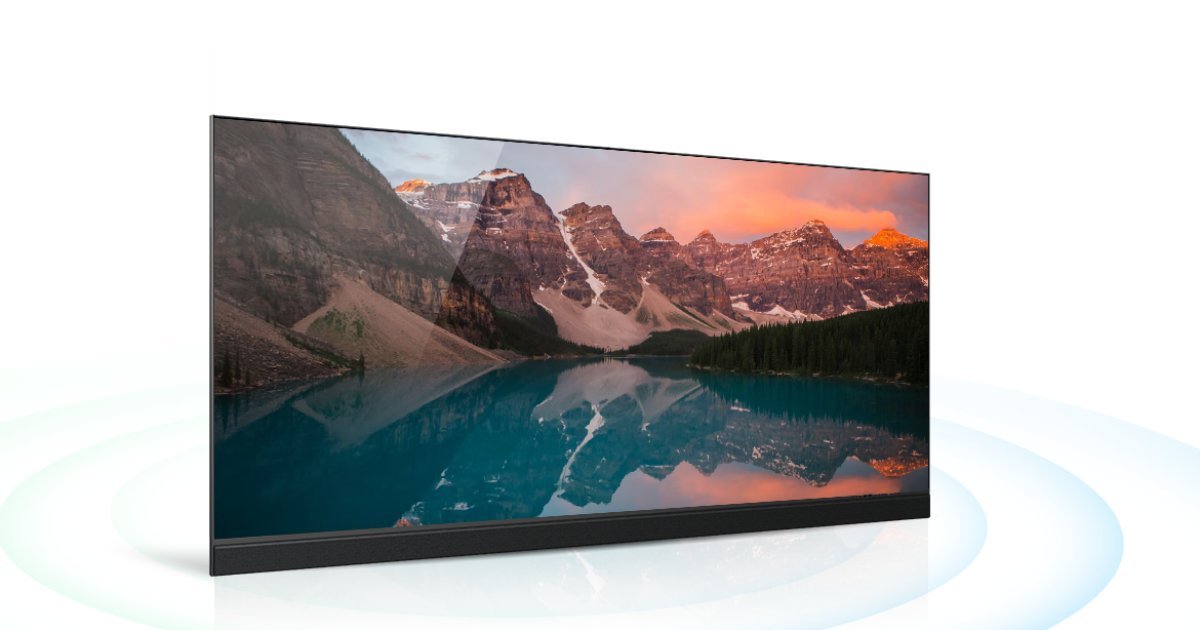
This is where integrated LED displays offer a practical solution. By combining essential components into a unified system, they help simplify installations, reduce equipment clutter, and create a cleaner visual environment.
Let’s explore seven ways integrated LED displays make display setups easier and more efficient.
1. Fewer Components, Less Complexity
One of the biggest advantages of integrated LED displays is their ability to bring multiple components together.
Traditional LED installations often require separate controllers, power systems, signal processors, and other accessories. Each component needs to be connected and configured correctly.
Integrated systems reduce this complexity by combining selected functions within one solution.
Depending on the model, these displays may include built-in controllers, power distribution systems, speakers, and connectivity options.
This offers several benefits:
– Fewer separate devices to manage.
– Easier hardware coordination.
– Reduced installation complexity.
– Better equipment organisation.
– Less dependence on external accessories.
For businesses, this means spending less time managing individual components and more time using the display effectively.
2. Faster and Simpler Installation
Installing a traditional LED video wall can involve several steps, from assembling cabinets to connecting cables and configuring control systems.
Integrated LED displays can simplify this process through pre-configured components and coordinated hardware.
A typical installation involves preparing the mounting surface, securing the display, connecting power and signal cables, and completing system configuration.
Since selected components are already integrated, technicians may have fewer individual devices to install and configure.
This can help reduce installation time, depending on the display design and project requirements.
For offices, hotels, and educational institutions, a simpler installation process can also reduce disruption to daily activities.
3. Cleaner Cable Management and Better Space Utilisation
Cable clutter can affect both the appearance and functionality of a display installation.
Multiple external devices often require additional power and signal connections, creating a complicated arrangement behind the screen.
Integrated LED displays can help address this issue by consolidating selected components and connections.
A cleaner setup offers several advantages:
– Better organisation of cables.
– Reduced visible equipment.
– Improved use of available space.
– Easier access to selected connections.
– A more professional appearance.
This is particularly useful in modern boardrooms, reception areas, and customer-facing environments where interior appearance matters.
4. Easier Everyday Operation
A display should be simple enough for everyday users to operate without requiring technical assistance.
In a corporate environment, employees may need to connect laptops, share presentations, display reports, or conduct meetings.
Integrated LED displays can make these activities easier through features such as simplified controls, remote operation, built-in audio, and convenient connectivity.
Some models also support wireless screen sharing, allowing users to present content without additional cables.
For educational institutions, this can help teachers switch between presentations, videos, and learning materials more conveniently.
The goal is to make technology accessible and reduce the time users spend managing equipment.
5. Simplified Maintenance and Troubleshooting
Maintenance is an important consideration when investing in display technology.
Traditional installations may involve several separate components, making it necessary to inspect different devices when a problem occurs.
Integrated systems can simplify certain maintenance activities by reducing the number of external components.
Some models also support front-access maintenance, allowing technicians to replace selected LED modules without dismantling the entire display.
Before purchasing, businesses should check:
– Front or rear maintenance accessibility.
– Availability of replacement modules.
– Manufacturer warranty.
– Technical support arrangements.
– Availability of spare parts.
These factors can make long-term ownership more convenient and help reduce unnecessary service interruptions.
6. Better Coordination Between Display Components
A large LED display depends on several components working together.
The power supply, control system, image processor, and LED modules must operate correctly to deliver consistent visual performance.
Integrated LED displays are designed to coordinate these essential functions within a unified system.
Some models also include built-in image processing and display calibration features, reducing the need for separate configuration equipment.
This can make system management easier and help technical teams maintain consistent performance.
For businesses using displays throughout the day, reliable coordination between components is particularly important.
7. A More Professional and Modern Appearance
Modern businesses consider both functionality and appearance when selecting display technology.
A complicated installation with multiple external devices and visible cables may affect the overall look of a room.
Integrated LED displays help create a cleaner and more organised environment.
They can be used in:
– Corporate boardrooms.
– Hotel reception areas.
– Retail showrooms.
– Educational institutions.
– Conference facilities.
– Commercial experience centres.
A well-planned installation allows the display to become part of the interior design rather than appearing as an additional piece of equipment.
Where Can Integrated LED Displays Be Used?
Integrated LED displays are suitable for several commercial applications.
- Corporate offices: Businesses can use them for presentations, video conferencing, meetings, and collaborative discussions.
- Educational institutions: Teachers can display lessons, educational videos, diagrams, and digital learning materials.
- Retail environments: Shopping malls and retail stores can use LED displays for promotional campaigns, product information, and announcements.
- Hotels and hospitality: Hotels can communicate event schedules, welcome messages, and important information through large visual displays.
- Control rooms: Integrated display systems can support monitoring activities by presenting operational dashboards, security feeds, and real-time information.
The right solution depends on the environment, viewing distance, screen size, and technical requirements.
What to Consider Before Choosing an Integrated LED Display
Before investing in an integrated display, businesses should evaluate a few important specifications.
– Pixel pitch: Determines the distance between individual LED pixels and influences image clarity.
– Screen size: Should match the room dimensions and viewing distance.
– Brightness: Must be suitable for the lighting conditions.
– Resolution: Important for displaying detailed presentations, images, and videos.
– Connectivity: Check HDMI, USB, LAN, and other required connections.
– Maintenance: Understand servicing requirements and replacement options.
– Warranty: Review product coverage and technical support.
Choosing a display based on actual usage requirements can help avoid unnecessary expenses and compatibility issues.
Frequently Asked Questions
1. What is an integrated LED display?
An integrated LED display combines essential display components, such as LED modules, power systems, and control technology, into a unified solution.
2. Are integrated LED displays easier to install?
Yes. Many models feature pre-configured components and simplified mounting arrangements, reducing the number of separate installation steps.
3. Can integrated LED displays be used in conference rooms?
Yes. They are suitable for presentations, meetings, video conferencing, and collaborative activities.
4. Do integrated LED displays require external controllers?
Not always. Some models include built-in controllers, while others may require external equipment for advanced processing and system integration.
5. Are integrated LED displays suitable for retail stores?
Yes. Retail businesses can use them to display advertisements, promotional campaigns, product information, and announcements.
6. How are integrated LED displays maintained?
Maintenance may include cleaning, inspecting connections, checking system performance, and replacing faulty modules when required. Procedures depend on the product design.
Conclusion
Integrated LED displays offer a practical way to simplify modern display installations. By combining essential components into a coordinated system, they can reduce equipment clutter, make installation more convenient, and improve everyday operation.
Whether used in corporate offices, educational institutions, hotels, or retail environments, these solutions help businesses create cleaner and more manageable visual communication spaces.
Ultimately, choosing the right display isn’t just about screen size or image quality. It’s about finding technology that fits the environment, supports everyday needs, and makes the entire setup easier to manage.

Leave a Reply