
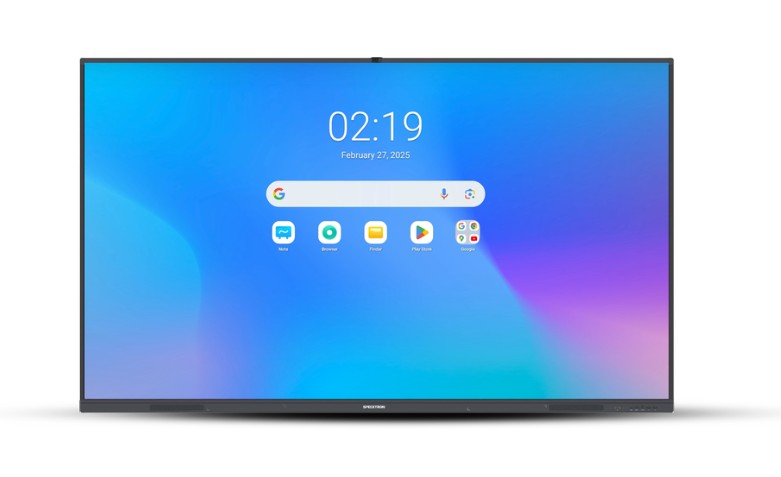
The modern workplace is evolving at an unprecedented pace. With hybrid work models, global collaboration, and digital transformation reshaping how teams operate, businesses are rethinking the tools they use every day. One technology that has quickly moved from “nice-to-have” to “must-have” is the interactive screen.
Interactive screens are no longer limited to tech-forward companies or innovation labs. They are becoming a core component of smart workspaces — environments designed to enhance productivity, collaboration, flexibility, and efficiency. But what exactly is driving this shift?
Let’s explore why interactive screens are becoming essential in smart workspaces and how they are redefining the way teams communicate and collaborate.
The Rise of Smart Workspaces
A smart workspace integrates technology to improve workflow, communication, and employee experience. It blends digital tools, cloud platforms, collaboration software, and intelligent hardware to create a seamless working environment.
In such settings, traditional whiteboards, projectors, and disconnected devices no longer meet the demands of modern teams. Businesses need centralized solutions that support:
- Hybrid meetings
- Real-time collaboration
- Instant information sharing
- Visual data presentation
- Flexible work arrangements
Interactive screens answer all these needs in one powerful system.
What Are Interactive Screens?
Interactive screens are large, touch-enabled digital displays that combine the functionality of:
- A whiteboard
- A presentation screen
- A video conferencing system
- A collaborative workspace
- A connected computer
They allow users to write, draw, annotate, present multimedia content, and connect multiple devices — all from a single interface.
Unlike static screens, interactive displays transform meetings into dynamic, participatory experiences.
1. Supporting the Hybrid Work Revolution
Hybrid work is no longer a temporary adjustment — it is a permanent workplace model. Teams are now split between office and remote locations, requiring technology that ensures seamless collaboration.
Interactive screens integrate with leading platforms like:
- Microsoft Teams
- Zoom
- Google Meet
This allows remote participants to engage in real time. They can view annotations, share screens, contribute ideas, and collaborate just as effectively as in-office team members.
By bridging the gap between physical and digital spaces, interactive screens make hybrid meetings more inclusive and productive.
2. Enhancing Collaboration and Creativity
Smart workspaces prioritize teamwork and innovation. Interactive screens promote collaboration by allowing multiple users to interact with the display simultaneously.
Teams can:
- Brainstorm ideas visually
- Create digital mind maps
- Develop project timelines
- Edit documents live
- Analyze data together
This hands-on approach stimulates creativity and encourages active participation. Instead of one person presenting while others listen, everyone becomes part of the conversation.
3. Increasing Productivity and Efficiency
Time is one of the most valuable resources in any organization. Interactive screens streamline meetings by eliminating common inefficiencies such as:
- Switching between devices
- Managing cables and adapters
- Rewriting notes from whiteboards
- Emailing follow-up documents manually
With wireless screen sharing and cloud integration, notes can be saved instantly and shared with all participants. Meetings become faster, more focused, and action-oriented.
Smart workspaces are built around efficiency, and interactive screens support that goal by simplifying processes.
4. Delivering Professional-Grade Presentations
First impressions matter — especially when presenting to clients, stakeholders, or partners. Traditional projectors often suffer from poor brightness, shadow interference, and lower image quality.
Interactive screens provide:
- Ultra-HD 4K resolution
- Anti-glare technology
- Consistent brightness in all lighting conditions
- Clear, crisp visuals
This ensures presentations look polished and professional, reinforcing a company’s commitment to innovation and excellence.
5. Centralizing Workplace Technology
In many offices, meeting rooms are cluttered with separate tools — projectors, whiteboards, conference phones, and multiple cables. Interactive screens consolidate these functions into a single device.
They serve as:
- A digital whiteboard
- A presentation hub
- A video conferencing system
- A collaboration platform
By reducing hardware clutter, businesses create cleaner, more organized meeting spaces that reflect a modern, forward-thinking culture.
6. Enabling Data-Driven Decision Making
Smart workspaces thrive on data. Interactive screens make it easier to present dashboards, performance metrics, and analytics in real time.
Teams can:
- Highlight key trends
- Annotate charts during discussions
- Compare reports side by side
- Adjust strategies instantly
This visual and interactive approach improves clarity and accelerates decision-making processes.
7. Improving Employee Engagement and Experience
Employee experience plays a crucial role in retention and productivity. Modern professionals expect workplaces equipped with advanced tools that make their jobs easier.
Interactive screens contribute to a more engaging environment by:
- Encouraging participation
- Supporting flexible working styles
- Reducing technical frustrations
- Promoting collaborative culture
When employees feel empowered by technology rather than limited by it, overall performance improves.
8. Long-Term Cost Efficiency
While interactive screens require an upfront investment, they reduce long-term costs by eliminating:
- Projector maintenance and bulb replacements
- Printing expenses
- Multiple device purchases
- IT troubleshooting time
Their durability and multifunctionality make them a cost-effective solution for smart offices.
9. Preparing for the Future of Work
Technology continues to evolve, and businesses must stay adaptable. Interactive screens align with trends such as:
- Cloud-based collaboration
- AI-powered meeting tools
- Remote workforce expansion
- Digital transformation initiatives
By integrating interactive technology into workspaces now, companies future-proof their operations and remain competitive.
The Strategic Advantage of Smart Workspaces
Smart workspaces are more than aesthetically modern offices — they are ecosystems designed for agility, innovation, and seamless communication.
Interactive screens play a central role in achieving this vision. They enhance collaboration, streamline operations, and support hybrid work environments, making them indispensable tools for forward-thinking organizations.
Final Thoughts
Interactive screens are no longer optional enhancements — they are becoming essential components of smart workspaces. As businesses embrace digital transformation and hybrid work models, the need for integrated, collaborative technology continues to grow.
From boosting productivity to enabling real-time collaboration and delivering professional presentations, interactive screens empower teams to work smarter, not harder.
Organizations that invest in interactive screen technology are not just upgrading their meeting rooms — they are building smarter, more connected workplaces ready for the future.
Interactive screens are no longer optional enhancements — they are becoming essential components of smart workspaces. As businesses embrace digital transformation and hybrid work models, the need for integrated, collaborative technology continues to grow.
From boosting productivity to enabling real-time collaboration and delivering professional presentations, interactive screens empower teams to work smarter, not harder.
Organizations that invest in interactive screen technology are not just upgrading their meeting rooms — they are building smarter, more connected workplaces ready for the future.



Leave a Reply