

In today’s digital-first world, businesses face unprecedented challenges and opportunities. Customer expectations are constantly evolving, competition is global, and operational efficiency is a critical factor for survival. In this dynamic environment, Artificial Intelligence (AI) has emerged as a transformative technology, enabling companies to unlock insights from complex data, automate repetitive tasks, and deliver personalized experiences at scale.
While pre-built AI tools can offer general solutions, they often fall short in addressing the specific needs of individual businesses. This is where custom AI solutions come into play. Tailored AI systems are designed to fit a company’s unique workflows, data structures, and strategic objectives, helping organizations maximize efficiency, drive growth, and maintain a competitive edge.
Why Businesses Are Turning to Custom AI
The one-size-fits-all approach rarely works in modern business operations. Every organization has its own processes, customer behaviors, and operational challenges. Off-the-shelf AI platforms may offer useful functionality for general tasks, but they lack the flexibility required to solve unique problems effectively.
Custom AI solutions are designed to integrate seamlessly with existing systems, adapt to industry-specific requirements, and scale as the business grows. This means organizations can develop models and algorithms tailored to their exact needs, ensuring better performance and measurable results.
For instance, a retail company may require an AI recommendation engine that takes into account not just purchase history but also browsing behavior, seasonal trends, and regional preferences. Meanwhile, a manufacturing firm may need predictive maintenance models that analyze equipment data in real-time to prevent downtime. Both examples highlight the importance of tailoring AI solutions rather than relying on generic tools.
Improving Operational Efficiency
One of the most significant advantages of custom AI is operational efficiency. Businesses face repetitive, time-consuming tasks that can drain resources and slow decision-making. AI-powered automation can handle these tasks quickly and accurately, freeing human employees to focus on higher-value work.
Some common areas where AI boosts efficiency include:
Data processing: AI can quickly analyze large volumes of structured and unstructured data, identifying patterns and anomalies that would take humans weeks to detect.
Supply chain management: Predictive analytics can optimize inventory levels, forecast demand, and streamline logistics to reduce costs and improve delivery times.
Fraud detection: AI systems can monitor transactions in real-time, flagging suspicious activity more quickly than traditional methods.
Quality control: Computer vision models can identify defects in products or processes, ensuring higher standards and reducing waste.
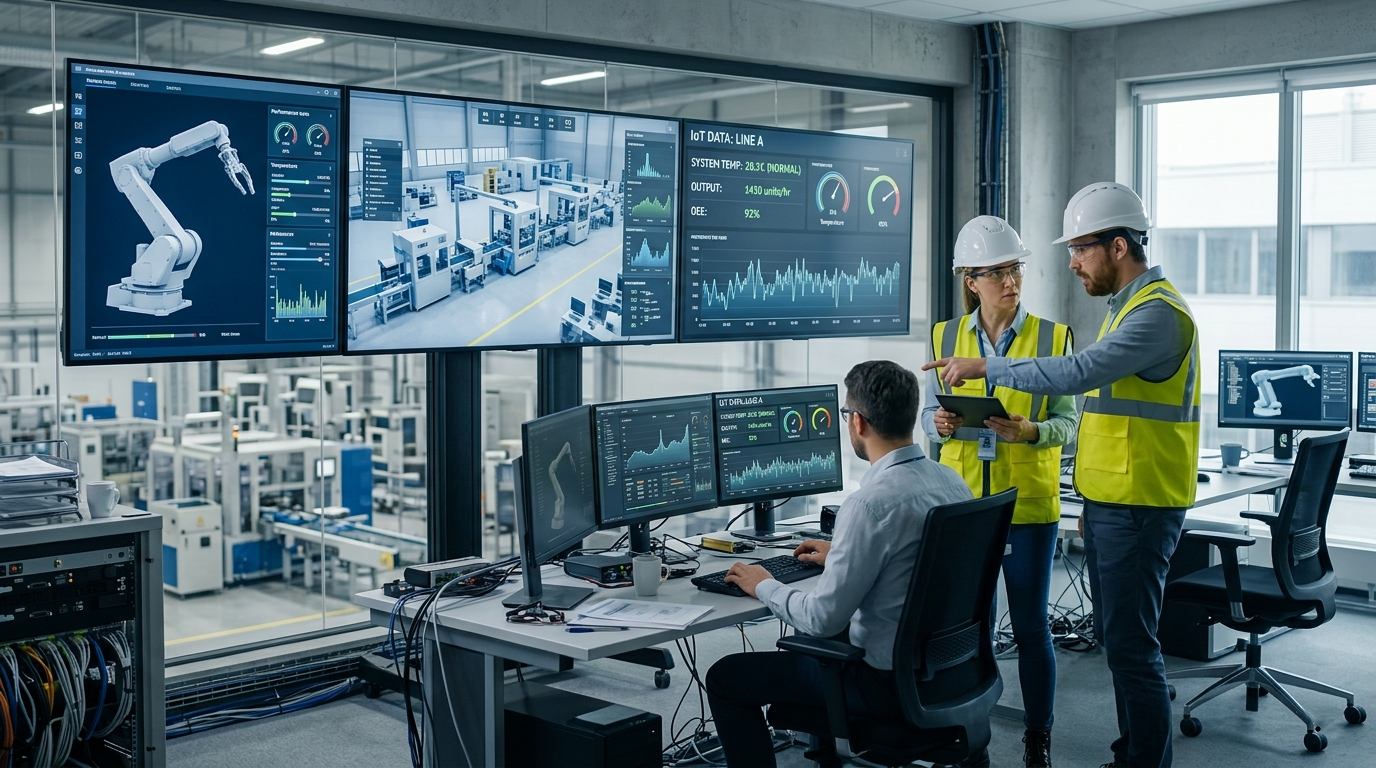
Consider manufacturing companies that rely on predictive maintenance. Traditional maintenance schedules may be time-based, which can lead to unnecessary downtime or unexpected equipment failures. With custom AI, machines are monitored continuously, and maintenance is performed only when data indicates a genuine need. This reduces costs, increases uptime, and improves overall productivity.
Enhancing Customer Experiences
Customers today expect personalized, seamless, and responsive interactions. Custom AI solutions enable businesses to meet these expectations by analyzing behavior, preferences, and engagement patterns.
Some examples of AI-driven customer experience improvements include:
Recommendation engines: Tailored product suggestions based on customer behavior and preferences increase engagement and sales.
AI chatbots and virtual assistants: These tools provide real-time, context-aware customer support, freeing human agents to handle complex inquiries.
Sentiment analysis: AI can monitor customer feedback across social media, reviews, and emails to identify trends, pain points, and areas for improvement.
Because custom AI models are trained on a company’s proprietary data, they can deliver more relevant insights and personalized experiences than standard solutions. This leads to stronger customer relationships, higher satisfaction rates, and improved brand loyalty.
For example, e-commerce companies using tailored AI recommendation engines can boost average order values by offering products that match individual preferences, seasonal trends, and browsing patterns. Similarly, banks can deploy AI-driven chatbots to provide customized financial advice based on each customer’s transaction history and goals.
Turning Data into Strategic Insights
Data is one of the most valuable assets for modern businesses, but raw data is only useful if it can be translated into actionable insights. Custom AI solutions help businesses extract meaning from vast amounts of structured and unstructured data through predictive analytics, trend identification, and real-time reporting.
Custom AI enables:
Sales forecasting: Businesses can anticipate demand more accurately, optimizing inventory and production planning.
Market analysis: AI identifies emerging trends, competitor behavior, and customer sentiment to inform strategic decisions.
Risk management: Financial institutions use AI to detect anomalies, prevent fraud, and evaluate risk more effectively.
Healthcare insights: Hospitals and clinics leverage AI to improve diagnostics, predict patient outcomes, and personalize treatment plans.
By converting raw data into actionable intelligence, businesses can make informed decisions quickly, respond to market changes effectively, and maintain a competitive edge.
Scalability and Long-Term Growth
As companies grow, their technological needs become increasingly complex. Custom AI solutions are built with scalability in mind, allowing organizations to manage larger datasets, more complex workflows, and higher volumes of customer interactions without compromising performance.
Working with an experienced ai development company in usa, ensures that AI systems are not only tailored to current requirements but also adaptable for future growth. This includes:
Flexible architecture: Systems can integrate with new platforms, tools, or business units as the company expands.
Enhanced performance: AI models are optimized to process larger datasets efficiently without losing accuracy.
Regulatory compliance: AI solutions are designed to meet industry-specific standards and data protection regulations.
Scalable AI systems allow businesses to respond quickly to market changes, launch new services, and explore opportunities in new regions—all while maintaining operational efficiency and data integrity.
Security and Ethical Considerations
While AI offers enormous benefits, it also raises questions around privacy, transparency, and fairness. Custom AI development allows organizations to implement robust security measures and ethical guidelines from the outset.
Key considerations include:
Data privacy: Protecting sensitive customer or business data is critical. Custom AI ensures proper encryption, access controls, and compliance with regulations such as GDPR.
Bias mitigation: AI models must be trained on balanced datasets to avoid biased decision-making that could harm customers or employees.
Transparency: Companies should ensure that AI decisions are explainable and auditable.
By integrating security and ethical practices into custom AI development, businesses can deploy AI responsibly while building trust with customers, employees, and stakeholders.
Real-World Applications of Custom AI
Custom AI is being applied across industries to drive efficiency, innovation, and growth:
Retail: Personalized recommendations, inventory forecasting, and demand prediction help retailers improve sales and reduce waste.
Healthcare: Predictive diagnostics, patient outcome modeling, and automated imaging analysis enhance patient care and operational efficiency.
Finance: AI assists in fraud detection, credit scoring, risk assessment, and automated trading.
Manufacturing: Predictive maintenance, defect detection, and production optimization streamline operations and reduce costs.
Logistics: AI-driven route optimization, demand forecasting, and warehouse automation improve delivery times and reduce operational expenses.
These examples highlight the versatility of custom AI solutions and the measurable impact they can have on business performance.
Conclusion
Custom AI solutions are reshaping modern business operations. From streamlining workflows and improving operational efficiency to delivering personalized customer experiences and enabling data-driven decision-making, tailored AI systems offer significant advantages across industries.
Investing in scalable, secure, and personalized AI technologies allows businesses to stay competitive, adapt to changing market conditions, and unlock new opportunities for growth. In a world where speed, efficiency, and customer satisfaction define success, custom AI solutions are no longer optional—they are essential for sustainable business transformation.


Leave a Reply